Cell Cycle DNA Damage Repair Life Science Poster Biology Diagrams 'Checkpoint' controls arrest the cell cycle after DNA damage, allowing repair to take place before mutations can be perpetuated. D 50, 869-873 IN PROMFERAT!NG CELLS, an adequate response to DNA damage requires more than repair of the DNA lesion. The threat posed by damage is particularly grave dt, dng the two major cell.cycle events

DNA damage response and the cell cycle are two intertwined cellular processes. On the one hand, as discussed above, DDR leads to cell cycle arrest by activating checkpoint kinases. On the other hand, an emerging idea is that even the unperturbed cell cycle has a constitutive surveillance mechanism that is related to DDR [24, 25]. This is

Cell Cycle and DNA Repair Regulation in the Damage Response ... Biology Diagrams
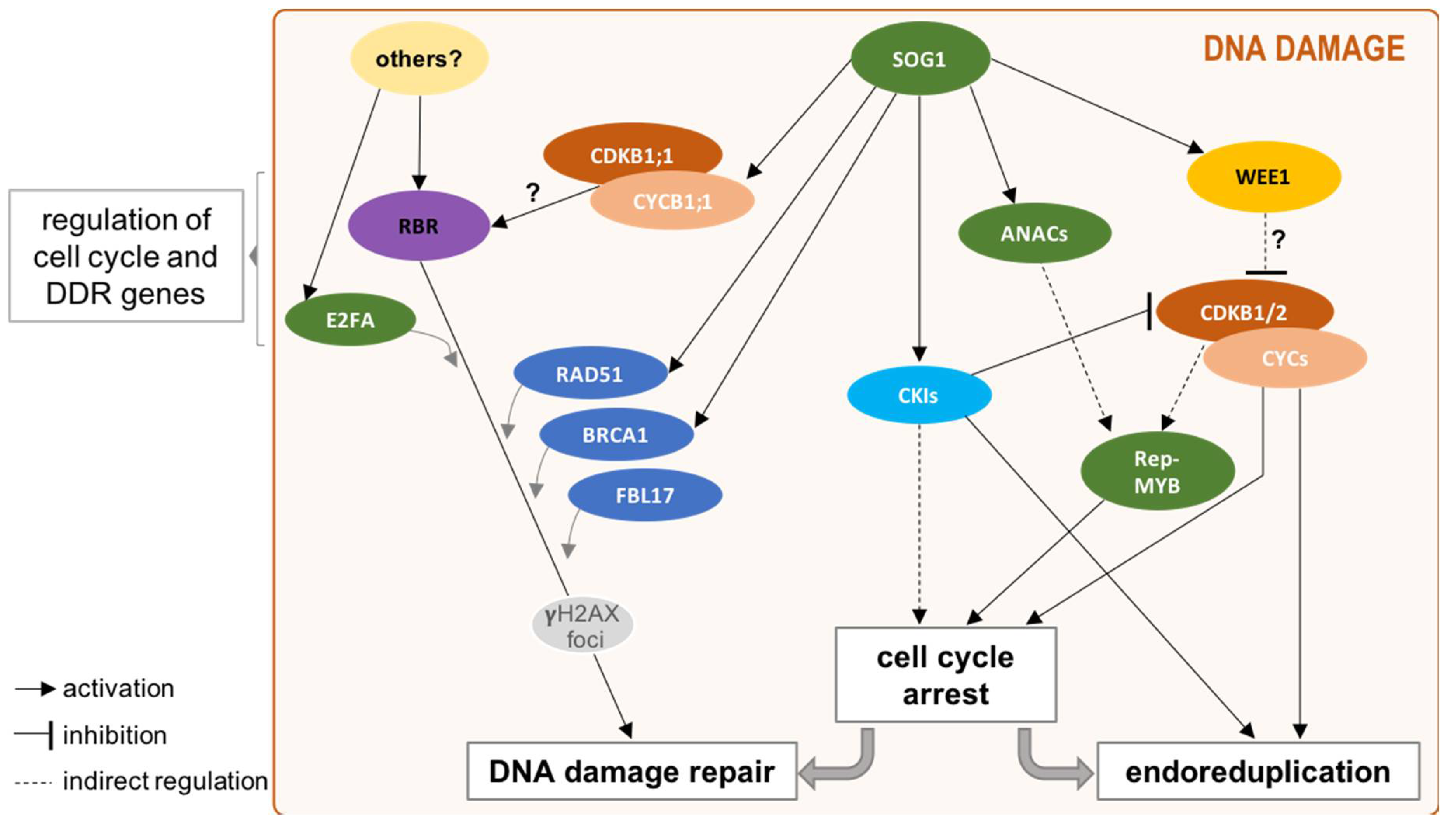
Genome damage is a threat to all organisms. To respond to such damage, DNA damage responses (DDRs) lead to cell cycle arrest, DNA repair, and cell death. Many DDR components are highly conserved, whereas others have adapted to specific organismal needs. Immense progress in this field has been driven by model genetic organism research.

The DNA damage response (DDR), through the action of sensors, transducers, and effectors, orchestrates the appropriate repair of DNA damage and resolution of DNA replication problems, coordinating these processes with ongoing cellular physiology. In the past decade, we have witnessed an explosion in understanding of DNA damage sensing, signaling, and the complex interplay between protein DNA damage checkpoints were initially defined as non-essential regulatory pathways that control the ability of cells to arrest the cell cycle in response to DNA damage, allowing time for repair.

DNA Damage Responses during the Cell Cycle: Insights from Model ... Biology Diagrams
To combat this threat, eukaryotic cells have evolved a set of sophisticated molecular mechanisms that are collectively known as the DNA damage response (DDR). This surveillance system controls several aspects of the cellular response, including the detection of lesions, a temporary cell cycle arrest, and the repair of the broken DNA.